
Kerala Canteen or Dishoom Leeds: Where Should You Go for a Modern Indian Dining Experience?
Modern Indian dining is no longer defined by one style of restaurant. Some places reinterpret regional recipes through small plates and tasting menus, while others combine traditional flavours with contemporary interiors, cocktails and all-day dining. Kerala Canteen and Dishoom Leeds show two very different versions of that change.
Both draw inspiration from specific parts of India, but the experience at each is distinctive. Kerala Canteen focuses closely on the cooking of Kerala, while Dishoom builds its identity around Bombay café culture. Choosing between them depends largely on what “modern Indian dining” means to you.
Modern Does Not Have to Mean Less Traditional
A contemporary restaurant can still stay closely connected to traditional food. Modernity may come through presentation, portion size, the way courses are served or the atmosphere around the meal rather than changing the core flavours completely.
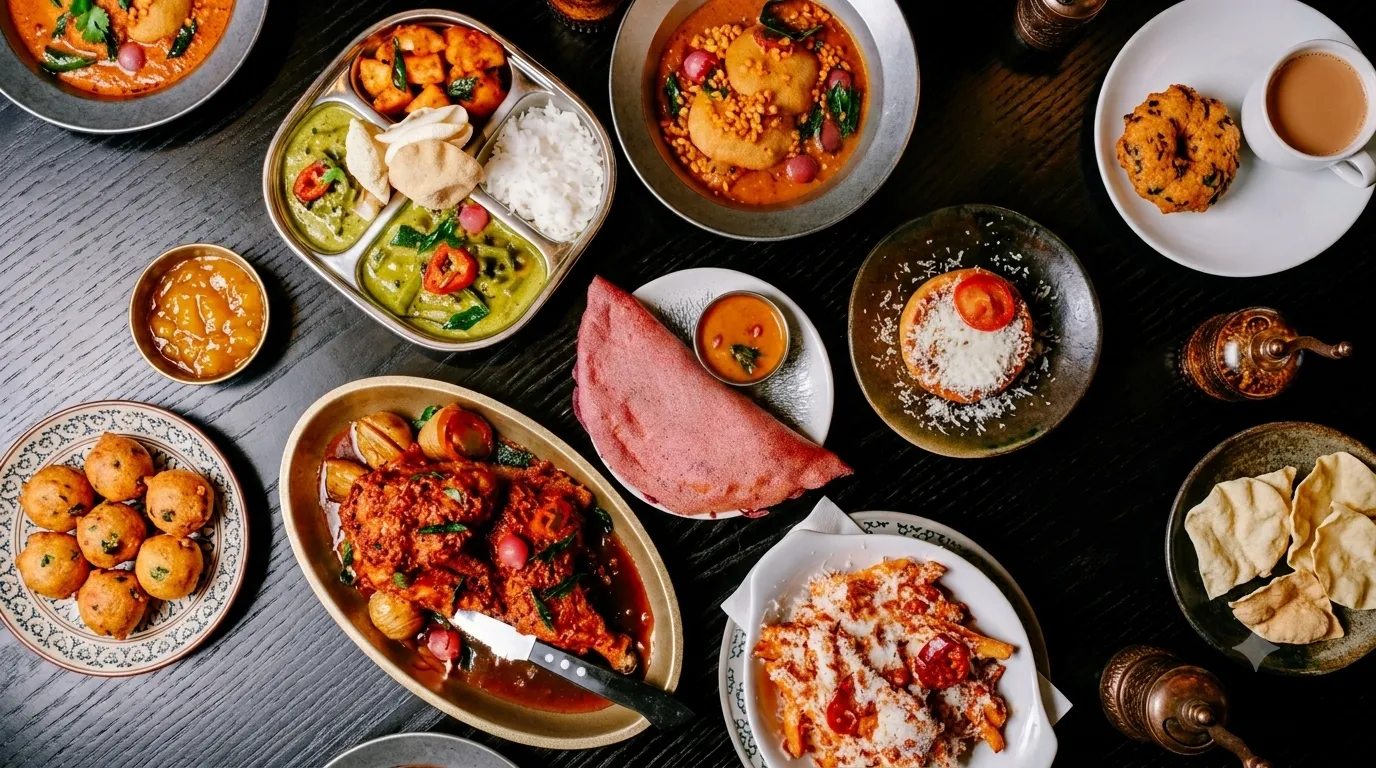
Kerala Canteen follows this approach by presenting Kerala-inspired dishes through tapas, bowls, biriyani, sides and tasting-menu formats. Traditional ingredients and regional influences remain important, but diners can experience them in a style designed around exploration and sharing.
Dishoom approaches the same idea differently. Its restaurants take inspiration from the old Irani cafés of Bombay while presenting that story through a polished modern hospitality experience.
Kerala Canteen Makes Regional Food Part of the Experience
One noticeable feature of Kerala Canteen is the way its menu encourages diners to move between several dishes rather than rely on one large main course.
This can make regional cuisine more approachable for people trying it for the first time. A table can explore different combinations of coconut, pepper, curry leaves, tamarind, seafood, vegetables and slow-cooked meats instead of experiencing Kerala cooking through just one dish.
Diners looking for the best Indian restaurant Leeds options for a more structured food experience can also consider the restaurant’s set-menu approach. It provides another way to sample different parts of the menu while keeping the meal organised around several courses or components.
Dishoom Brings Bombay Café Culture Into the Present
Dishoom Leeds has a broader all-day identity. Breakfast might involve naan rolls or chai, while later meals can include small plates, kebabs, curries, biryanis and house favourites.
That flexibility contributes to its contemporary feel. Diners can visit at different times of day and have noticeably different experiences without leaving the same Bombay-inspired setting.
The restaurant’s interiors are also central to the concept. Rather than treating decoration simply as a backdrop, Dishoom uses storytelling and design to build a sense of place around the meal. For some diners, that combination of food, drinks and atmosphere is exactly what they expect from modern Indian dining.
Which Works Better for an Exploratory Meal?
The answer depends on how you like to discover food.
Kerala Canteen’s narrower regional focus gives diners an opportunity to explore one culinary tradition more closely. Small plates and tasting formats make it easier to compare dishes during a single visit, and sharing naturally becomes part of the evening.
Dishoom offers more breadth. A group can move between snacks, grilled food, curries, breads and rice dishes, with Bombay providing the common theme. This can work especially well when diners have different preferences or varying levels of familiarity with Indian food.
Neither approach requires guests to follow the traditional pattern of ordering one starter followed by one curry and rice.
Planning the Occasion
The practical side of dining also shapes the experience. A spontaneous lunch with friends may call for something different from a birthday dinner or an evening arranged around a show.
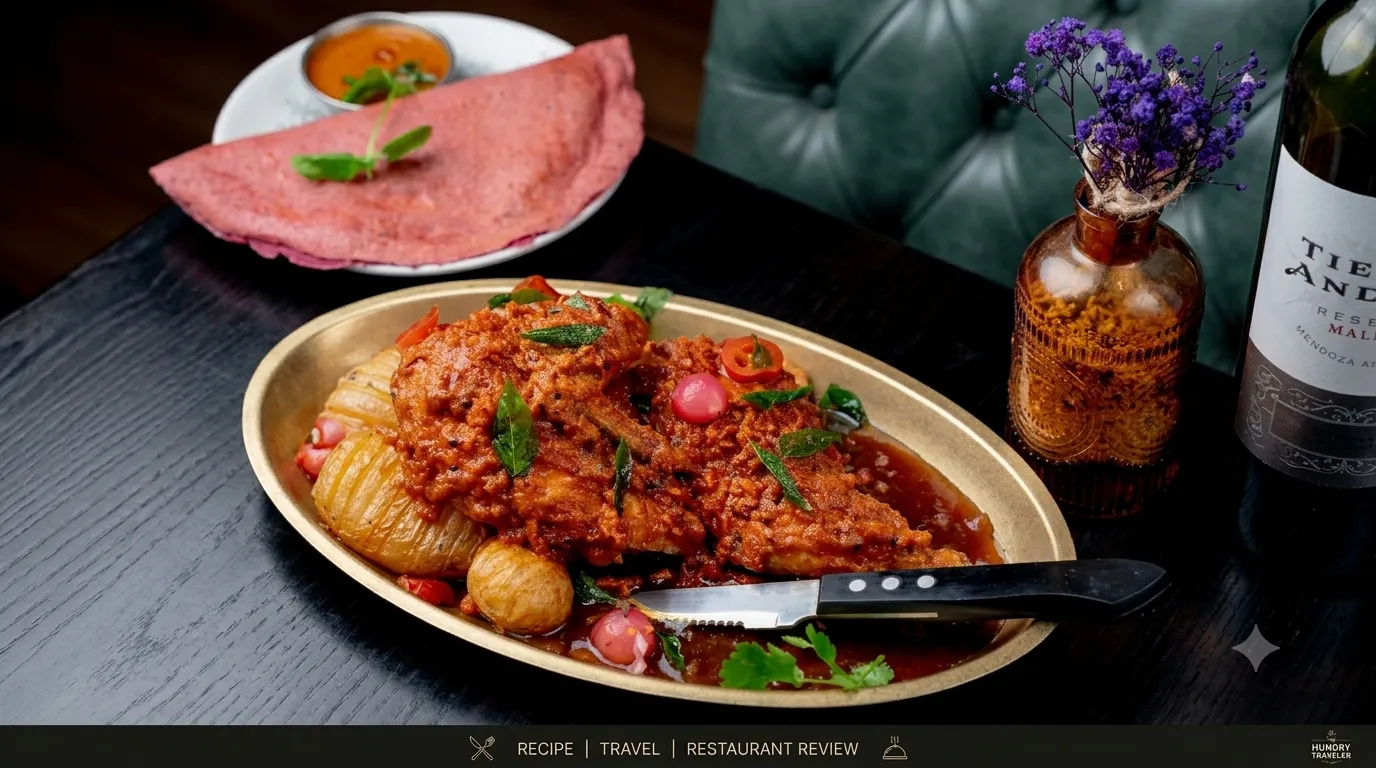
Guests who already know they want Kerala Canteen can book Indian restaurant Leeds city centre dining in advance through the restaurant’s booking page. Planning can be particularly useful for weekend meals, celebrations or occasions involving several guests.
Dishoom operates with its own mix of reservations and walk-in dining, giving diners another style of flexibility. Checking the latest booking arrangements before travelling is sensible for either restaurant.
Food Versus the Wider Experience
For some people, modern dining is mainly about what arrives on the plate. Others consider the entire evening, including interior design, drinks, music, service style and how dishes are shared.
Kerala Canteen places a strong emphasis on regional food discovery. Its modern element comes from presenting Kerala cuisine in ways that encourage tasting and communal dining.
Dishoom creates a wider lifestyle experience around Bombay café culture. Food remains central, but the surrounding atmosphere plays a larger role in the restaurant’s identity.
Conclusion
Kerala Canteen and Dishoom Leeds represent two different directions in contemporary Indian dining. Dishoom combines Bombay-inspired comfort food with an all-day café atmosphere and highly developed visual identity.
Kerala Canteen takes a more regionally concentrated approach. Its small plates, tasting options and communal style give diners an opportunity to explore Kerala cuisine while still enjoying a contemporary restaurant experience.
The right choice therefore depends on what you want from the occasion. Those attracted to a broad Bombay-inspired setting may enjoy Dishoom’s variety, while diners interested in exploring the flavours of Kerala through a modern sharing format may find Kerala Canteen more closely suited to the experience they have in mind.


