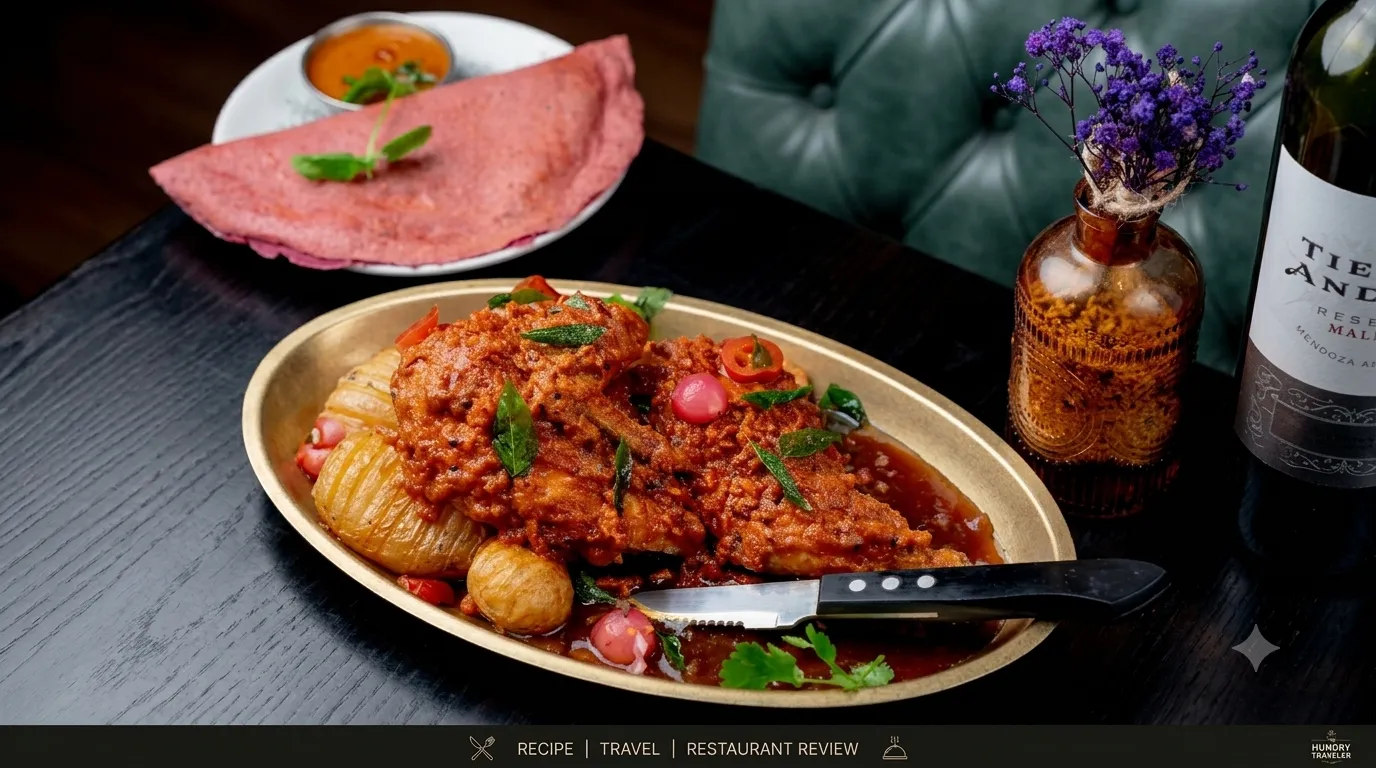
The Future of Flavor: Emerging Culinary Trends Reshaping Our Plates

Introduction & Background
The culinary world is undergoing a remarkable transformation, driven by innovation, sustainability, and a growing awareness of global flavors. As diners become more adventurous and conscious of their food choices, the future of flavor is being reshaped by emerging trends that challenge tradition while embracing new possibilities. From plant-based alternatives to hyper-regional ingredients, these trends are not just about taste but also about ethics, health, and cultural exchange. Understanding these shifts is essential for chefs, food enthusiasts, and businesses alike, as they redefine what it means to create and enjoy meals in the 21st century.
Concept & Overview
The future of flavor represents a dynamic fusion of creativity and responsibility, where chefs and food producers are reimagining culinary boundaries. At its core, this movement focuses on enhancing sensory experiences while addressing broader concerns like environmental impact and dietary inclusivity. It emphasizes the use of alternative proteins, fermentation techniques, and indigenous ingredients to craft dishes that are both innovative and sustainable. The concept also highlights the importance of storytelling in food, where each dish carries a narrative about its origin, ingredients, and cultural significance. By blending tradition with cutting-edge science, this culinary evolution is setting the stage for a more diverse and exciting gastronomic landscape.
Key Features & Highlights
- Plant-Based Revolutions: The rise of meat alternatives, such as lab-grown proteins and mushroom-based meats, is transforming menus worldwide. These innovations cater to flexitarians and vegans while reducing the carbon footprint of dining.
- Fermentation Renaissance: Fermented foods like kimchi, kombucha, and miso are gaining popularity for their health benefits and umami-rich flavors. Chefs are experimenting with ancient techniques to create modern dishes.
- Climate-Conscious Cuisine: Locally sourced, seasonal ingredients are becoming a priority, with chefs focusing on farm-to-table models to minimize environmental impact. This trend also includes the resurgence of heirloom varieties and forgotten crops.
- Global Fusion & Hyper-Local: While global flavors continue to inspire, there is a growing appreciation for hyper-local cuisines. Chefs are rediscovering indigenous ingredients and traditional cooking methods from their own regions.
- Tech-Driven Taste: Innovations like 3D food printing and AI-powered flavor profiling are pushing the boundaries of culinary creativity. These tools allow for precise customization and unprecedented flavor combinations.
- Waste Reduction: Zero-waste cooking is gaining traction, with chefs creatively repurposing food scraps into gourmet dishes. This approach not only reduces waste but also introduces unique textures and flavors.
Frequently Asked Questions / Pros & Cons
What are the biggest drivers behind the culinary trends reshaping our plates?
The primary drivers include environmental concerns, health consciousness, and the desire for new sensory experiences. Consumers are increasingly aware of the impact of their food choices on the planet and are seeking options that align with their values. Additionally, the rise of social media has fueled curiosity about global cuisines and innovative dishes, encouraging chefs to push creative boundaries.
How do plant-based alternatives compare to traditional meats in terms of taste and nutrition?
Plant-based alternatives have made significant strides in replicating the taste and texture of traditional meats, thanks to advancements in food science. While they often lack the exact umami depth of meat, they can be fortified with nutrients like iron and vitamin B12 to match or exceed the nutritional profile of conventional options. However, some consumers still find the flavor and mouthfeel of plant-based meats less satisfying than animal-based proteins.
What role does technology play in shaping the future of flavor?
Technology is revolutionizing the culinary world by enabling precision cooking, flavor enhancement, and waste reduction. Tools like AI and machine learning help chefs analyze ingredient pairings and optimize recipes, while 3D food printers create intricate edible structures. Smart kitchen appliances also allow for better control over cooking techniques, ensuring consistent quality and innovative presentations.
Are these culinary trends accessible to home cooks, or are they limited to high-end restaurants?
Many of these trends are accessible to home cooks, especially with the growing availability of plant-based products, fermentation kits, and locally sourced ingredients. While some techniques and tools may be more common in professional kitchens, educational resources and online platforms have made it easier for enthusiasts to experiment at home. However, high-end restaurants often lead the way in showcasing cutting-edge trends due to their resources and expertise.
What are the potential drawbacks of these emerging culinary trends?
One potential drawback is the cost associated with some of these innovations, such as lab-grown meats or advanced kitchen gadgets, which may limit accessibility for certain consumers. Additionally, the reliance on technology in food production could lead to a loss of traditional culinary skills and knowledge. There are also concerns about the over-commercialization of trends, which might dilute their authenticity or cultural significance. Finally, while plant-based alternatives are improving, they may not fully satisfy everyone’s taste preferences or nutritional needs.
Practical Guidance & Solutions
For those looking to embrace the future of flavor, start by exploring plant-based alternatives or fermented foods at home. Try incorporating one new ingredient or technique into your cooking each month to gradually build your skills. Support local farmers and artisans to ensure you’re using fresh, seasonal produce while reducing your environmental impact. Experiment with global cuisines to broaden your palate and gain inspiration for innovative dishes.
If you’re a chef or food business owner, consider investing in training or workshops focused on sustainable cooking and new technologies. Collaborate with local producers to create unique menu items that highlight seasonal and indigenous ingredients. Engage with your customers by sharing the stories behind your dishes, fostering a deeper connection to the food they enjoy.
For home cooks, leverage online resources and communities to learn about fermentation, zero-waste cooking, and other trending techniques. Don’t be afraid to make mistakes, culinary innovation often comes from experimentation. Finally, stay curious and open-minded, as the future of flavor is all about breaking boundaries and discovering new possibilities.
Conclusion
The future of flavor is a thrilling journey where tradition meets innovation, and ethics intertwine with creativity. As we explore plant-based revolutions, fermentation techniques, and climate-conscious cuisine, our plates become more than just meals, they become statements of our values and aspirations. Whether you’re a seasoned chef or a home cook, there’s never been a better time to reimagine what food can be. By embracing these trends, we not only enrich our culinary experiences but also contribute to a more sustainable and flavorful world. The future is delicious, and it’s on your plate right now.