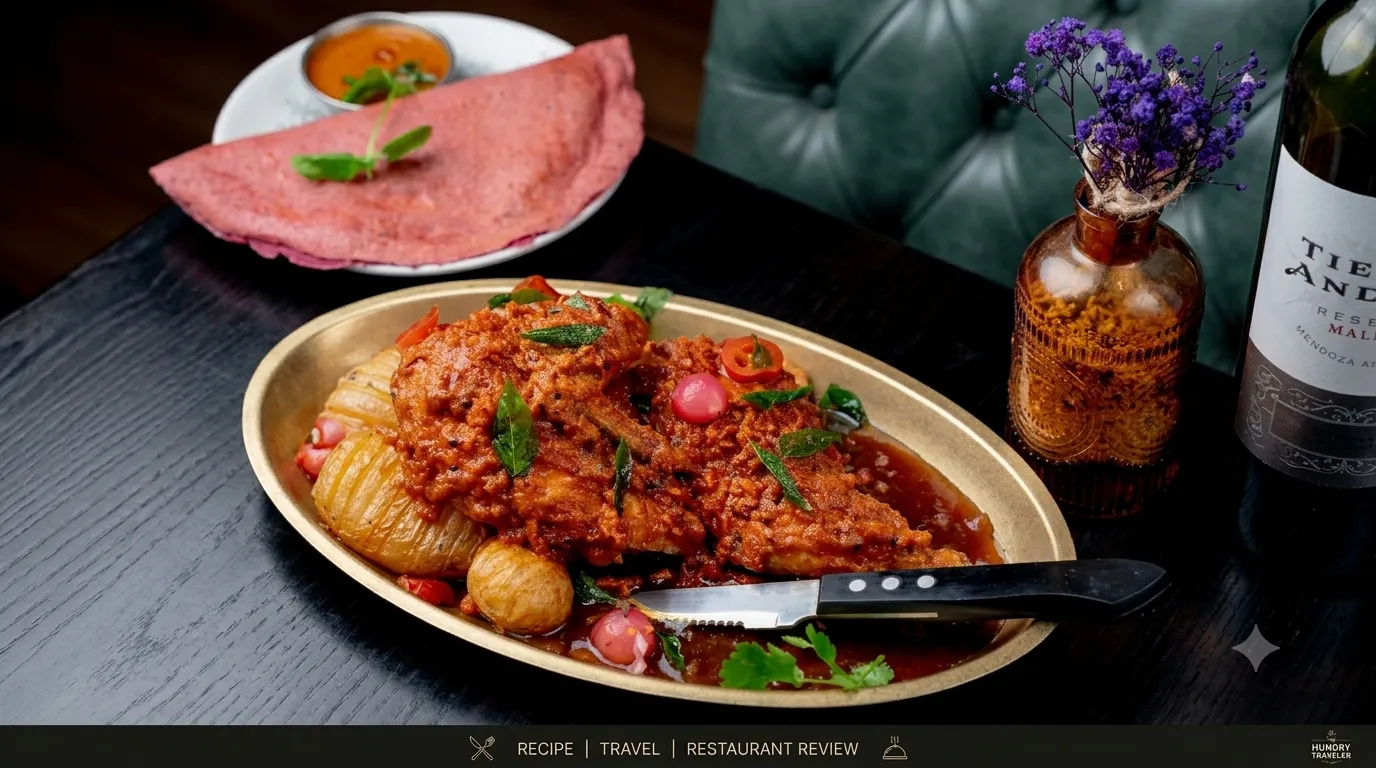
Personalized Meal Plans: Your Unique Path to Health and Happiness

Personalized Meal Plans: Your Unique Path to Health and Happiness
In today’s fast-paced world, finding a diet that truly works for you can feel overwhelming. Generic meal plans often fail to account for individual needs, preferences, and lifestyle, leaving many people frustrated and disheartened. That’s where personalized meal plans come in—a tailored approach to nutrition that aligns with your body, goals, and tastes. Whether you’re aiming to lose weight, boost energy, manage a health condition, or simply feel your best, a customized plan can make all the difference. In this article, we’ll explore what personalized meal plans are, their benefits, how to create one, and practical tips to get started on your journey to health and happiness.
What Is a Personalized Meal Plan?
A personalized meal plan is a nutrition blueprint designed specifically for you, based on your unique health profile, dietary needs, food preferences, and lifestyle factors. Unlike one-size-fits-all diets, it takes into account your age, gender, activity level, allergies, food intolerances, health goals (like reducing inflammation or improving digestion), and even cultural or ethical dietary choices. A well-designed plan doesn’t just tell you what to eat—it empowers you with structure, education, and flexibility, making healthy eating sustainable and enjoyable.
These plans are often created with the help of registered dietitians, nutritionists, or advanced meal planning tools powered by AI and data analytics. They can include meal timing, portion sizes, grocery lists, and even recipes tailored to your schedule and cooking ability. Whether you’re a busy professional, a parent juggling multiple responsibilities, or an athlete with high energy demands, a personalized meal plan adapts to fit your life—not the other way around.
The Benefits of Going Personal
Choosing a personalized meal plan over a generic diet offers numerous advantages that go beyond just weight loss. Here are some of the key benefits:
- Better Nutrient Intake: A customized plan ensures you’re getting the right balance of macronutrients (protein, carbs, fats) and micronutrients (vitamins and minerals) suited to your body’s needs. This is especially important for people with deficiencies or health conditions.
- Improved Adherence and Long-Term Success: When meals align with your preferences and lifestyle, you’re more likely to stick with the plan. People are far more successful at maintaining healthy eating habits when those habits feel natural and enjoyable.
- Enhanced Energy and Mental Clarity: Nutrient-dense, balanced meals fuel your body and brain effectively. Many people report increased energy levels, better focus, and improved mood after switching to a personalized plan.
- Support for Health Goals: Whether you’re managing diabetes, high blood pressure, digestive issues, or food sensitivities, a personalized meal plan can be designed to support your specific health objectives safely and effectively.
- Time and Cost Savings: By organizing your meals in advance, you reduce food waste, avoid impulsive (and often unhealthy) purchases, and streamline grocery shopping and meal prep.
- Emotional Well-Being: Food is deeply connected to emotions. A plan that respects your relationship with food—whether you love comfort foods, are plant-based, or follow a religious dietary practice—can reduce stress and foster a healthier mindset around eating.
Who Can Benefit from a Personalized Meal Plan?
Personalized meal plans aren’t just for fitness enthusiasts or people with dietary restrictions—they’re for anyone looking to take control of their health in a meaningful way. Here are some groups who often find them particularly helpful:
- Busy Professionals: Those with demanding schedules need meals that are quick to prepare, nutrient-packed, and easy to reheat, so they can stay energized without sacrificing health.
- Parents and Caregivers: Balancing family meals that cater to both adults and children (including picky eaters) can be challenging. A personalized plan helps streamline meal planning and ensures everyone gets nourished.
- Active Individuals and Athletes: Whether you’re a runner, weightlifter, or yoga practitioner, your nutrition needs vary based on your activity level. A tailored meal plan supports recovery, performance, and muscle maintenance.
- People with Chronic Conditions: Those managing diabetes, heart disease, IBS, or food allergies require precise dietary strategies. A personalized plan ensures safe, effective, and enjoyable eating within medical guidelines.
- Weight Management Seekers: Whether you’re looking to lose, gain, or maintain weight, a customized plan helps you reach your goals without extreme measures or yo-yo dieting.
- Vegans and Vegetarians: Plant-based diets need careful planning to avoid nutrient gaps. A personalized plan ensures adequate protein, iron, B12, and omega-3s while keeping meals delicious and varied.
- Seniors: As metabolism slows and nutritional needs change with age, seniors benefit from meal plans that support bone health, digestion, and energy while accommodating mobility or sensory changes.
How to Create Your Own Personalized Meal Plan
You don’t need a professional to start benefiting from a personalized meal plan. With a little self-reflection and planning, you can design a strategy that works for you. Here’s a step-by-step guide:
Step 1: Assess Your Health and Goals
Begin by reflecting on your current health status and what you want to achieve. Ask yourself:
- What are my top health priorities? (e.g., energy, weight, digestion, mood)
- Do I have any food allergies, intolerances, or medical conditions?
- What’s my activity level? (sedentary, moderate, active)
- What are my dietary preferences? (e.g., plant-based, gluten-free, Mediterranean)
- How much time can I dedicate to meal prep each week?
Jotting down your answers will help you shape your plan and make informed choices.
Step 2: Choose Your Nutritional Approach
There are many dietary frameworks to consider. Pick one that resonates with your goals and lifestyle:
- Mediterranean Diet: Rich in whole foods, healthy fats, and fish—great for heart health and longevity.
- Plant-Based/Vegan: Focuses on vegetables, legumes, nuts, and seeds—ideal for ethical or environmental reasons.
- Low-Carb or Keto: Reduces carbohydrates and increases fats—often used for weight loss or blood sugar control.
- Anti-Inflammatory Diet: Emphasizes foods like turmeric, fatty fish, and leafy greens to reduce chronic inflammation.
- DASH Diet: Designed to lower blood pressure by emphasizing fruits, vegetables, and low-fat dairy.
- Intuitive Eating: Focuses on listening to your body’s hunger and fullness cues rather than strict rules.
You can also mix elements from different plans to create something uniquely yours.
Step 3: Plan Your Meals Around Your Lifestyle
Your meal plan should fit seamlessly into your daily routine. Consider:
- Meal Timing: Are you a breakfast eater or more of a brunch person? Should you have smaller, frequent meals or larger portions?
- Cooking Skill and Time: If you’re short on time, focus on simple recipes or batch-cooking.
- Grocery Budget: Use affordable staples like beans, lentils, frozen veggies, and bulk grains.
- Family Preferences: Include meals that everyone enjoys to reduce resistance and food waste.
Step 4: Build a Flexible Weekly Menu
Start by outlining 3–5 days of meals, then adjust as needed. Include:
- Breakfast, lunch, dinner, and 1–2 snacks
- A balance of protein, fiber, and healthy fats in each meal
- Variety to prevent boredom (e.g., different proteins, cuisines, or cooking methods)
- Leftovers or batch-cooked meals to save time
For inspiration, use apps like Mealime, Eat This Much, or Canva’s meal planner templates. You can also browse recipe sites like Minimalist Baker, Budget Bytes, or Cookie and Kate for healthy, easy-to-follow ideas.
Step 5: Prep and Organize
Prepping meals in advance (meal prep) can save hours during the week. Try these strategies:
- Batch Cooking: Cook large quantities of grains, proteins, and roasted vegetables on Sunday.
- Portion Control: Divide meals into containers for grab-and-go convenience.
- Smart Storage: Use airtight containers and label everything with dates to reduce spoilage.
- Freezer-Friendly Meals: Soups, stews, and burritos freeze well and can be reheated in minutes.
When to Seek Professional Help
While self-planned meal plans can be effective, certain situations call for expert guidance. Consider consulting a registered dietitian or nutritionist if:
- You have a diagnosed health condition (e.g., diabetes, kidney disease, celiac disease).
- You’re struggling with disordered eating or an unhealthy relationship with food.
- You’ve tried multiple diets without long-term success.
- You’re an athlete with high performance demands.
- You’re pregnant, breastfeeding, or planning a family.
A professional can provide evidence-based recommendations, monitor your progress, and adjust your plan as needed. Many insurance plans now cover nutrition counseling, making it more accessible than ever.
Common Mistakes to Avoid
Even with the best intentions, it’s easy to make mistakes when creating a personalized meal plan. Here are a few to watch out for:
- Overly Restrictive Diets: Cutting out entire food groups without medical need can lead to nutrient deficiencies and rebound cravings.
- Ignoring Hunger Cues: Meal plans should be flexible enough to allow for changes based on your appetite and energy levels.
- Not Being Realistic: If you hate cooking, don’t plan five elaborate meals a week. Opt for simple, no-cook options instead.
- Skipping Hydration: Water, herbal teas, and electrolyte-rich drinks are essential parts of any meal plan.
- Forgetting About Enjoyment: The best meal plan is one you actually look forward to eating. Don’t sacrifice taste for health.
Success Stories: Real People, Real Results
Personalized meal plans have transformed lives across all walks of life. Take Sarah, a 34-year-old office manager who struggled with fatigue and digestive issues for years. After trying countless diets, she worked with a dietitian to create a low-FODMAP plan tailored to her IBS symptoms. Within weeks, her bloating decreased, her energy soared, and she finally felt in control of her health.
Then there’s Mark, a 52-year-old father and weekend cyclist who wanted to shed a few pounds without giving up his social life. His personalized plan included balanced meals with controlled portions, high-protein snacks, and a flexible “treat” allowance. He lost 15 pounds in three months while still enjoying pizza nights with friends—no guilt, no extremes.
These stories highlight a key truth: personalized meal plans aren’t just about the food—they’re about creating a sustainable, joyful relationship with eating that supports your overall well-being.
Making It Last: Sustainability Tips
Creating a meal plan is one thing, but sticking with it long-term is another. Here’s how to make your plan work for you over time:
- Start Small: Don’t overhaul your diet overnight. Begin with one or two new habits, like adding a vegetable to lunch daily or swapping soda for sparkling water.
- Celebrate Progress: Track non-scale victories—like better sleep, clearer skin, or improved digestion—to stay motivated.
- Stay Flexible: Life happens. Allow room for spontaneous meals out, holidays, or days when you just don’t feel like cooking.
- Involve Others: Share your plan with family or friends. They can offer support, accountability, or even join in for shared meals.
- Review and Adjust: Every few weeks, assess what’s working and what isn’t. Update your plan to reflect changes in your goals, schedule, or preferences.
Your Journey Starts Now
Personalized meal plans are more than a trend—they’re a return to mindful, intentional eating. By aligning your nutrition with your body and life, you’re not just following a diet; you’re creating a lifestyle that nurtures your health, fuels your passions, and brings you joy.
Whether you choose to work with a professional or craft your own plan, remember: the goal isn’t perfection. It’s progress. It’s balance. It’s happiness.
So take the first step today. Reflect on what you truly need. Plan a meal that excites you. Cook it with care. And savor every bite—because your healthiest, happiest self is worth it.