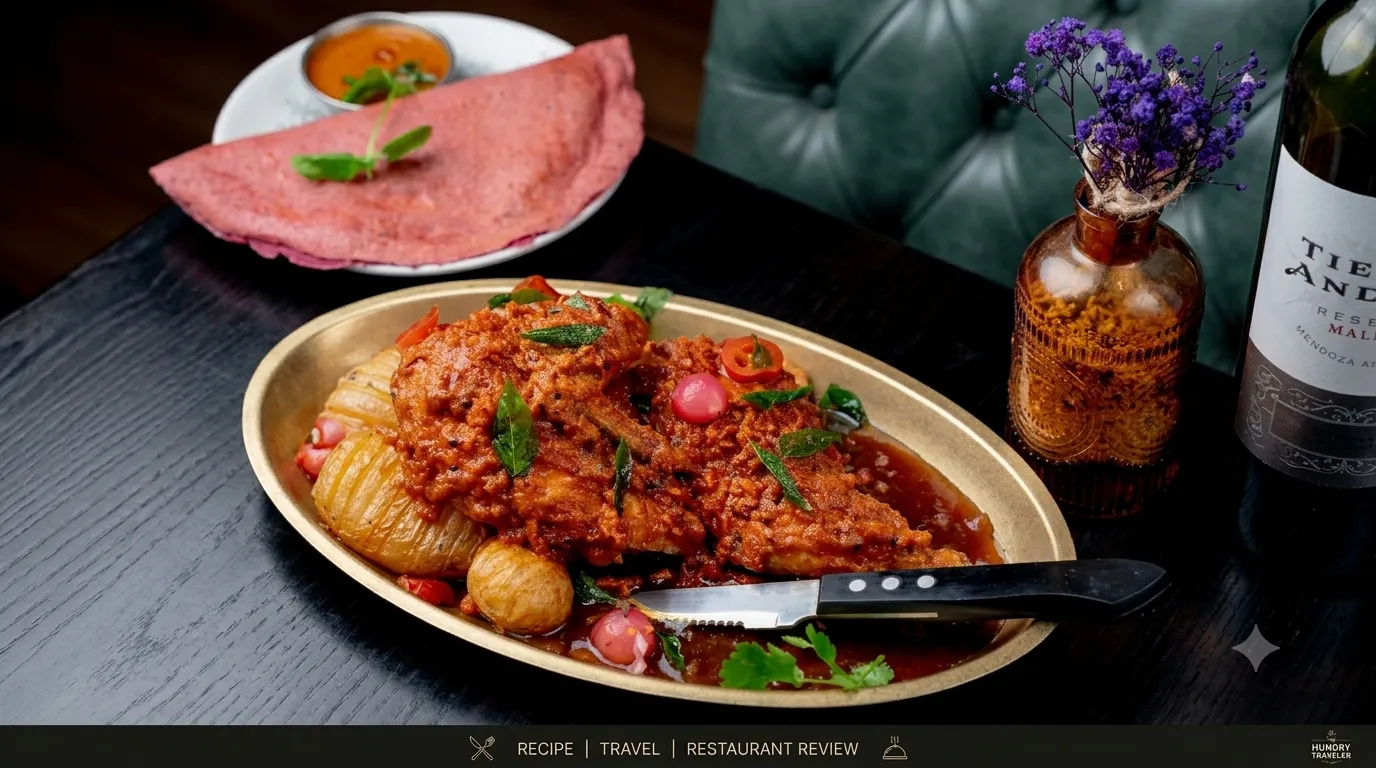
Savoring the World: Unveiling the Hidden Stories Behind Global Food Cultures

The Global Tapestry of Flavor: Why Food Tells Stories
Every dish carries the weight of history, geography, and human ingenuity. When we eat, we are not just tasting ingredients—we are experiencing the silent narratives of cultures that have evolved over centuries. Food is a living archive, preserving traditions, struggles, and celebrations in every bite. Whether it’s the smoky spices of a Moroccan tagine or the delicate balance of flavors in a Japanese washoku meal, each culinary creation is a testament to the people who perfected it. This connection between food and culture transcends borders, offering a window into the soul of a community. By understanding the stories behind global cuisines, we gain more than just knowledge—we cultivate empathy and appreciation for the diverse ways humans connect with the earth and each other.
Food cultures are shaped by migration, trade, and environmental adaptation. The ingredients available in a region often dictate its culinary identity, but so do the exchanges between peoples. The spice routes of the past, for example, didn’t just move black pepper and cinnamon—they carried ideas, techniques, and even entire cuisines across continents. Similarly, colonialism and globalization have left indelible marks on food traditions, sometimes erasing them and at other times creating vibrant fusions. To savor a global dish is to trace these invisible threads of history, recognizing that no cuisine exists in isolation.
Asia: Where Tradition Meets Innovation
The Art of Balance in East Asian Cuisine
In East Asia, food is more than sustenance—it is an expression of balance and harmony. Chinese cuisine, for instance, is governed by the principles of yin and yang, where flavors, textures, and colors are carefully curated to achieve equilibrium. A classic Peking duck isn’t just roasted to perfection; it’s served with thin pancakes, hoisin sauce, and scallions, each component playing a role in creating a cohesive experience. Meanwhile, Japanese washoku, recognized by UNESCO as an Intangible Cultural Heritage, emphasizes seasonality and presentation. A single bowl of miso soup can reveal the time of year through the choice of tofu, seaweed, or mushrooms, all sourced from local waters and forests.
South Asian cuisine, with its bold spices and diverse techniques, tells a story of conquest and trade. The use of turmeric, cumin, and coriander in Indian curries dates back thousands of years, while the Portuguese introduced chili peppers in the 16th century, transforming dishes like vindaloo. In Thailand, the balance of sweet, sour, salty, bitter, and umami in a single dish—such as tom yum soup—reflects the country’s Buddhist influences, where moderation and mindfulness are key. These cuisines remind us that food is not just about flavors but also about philosophy and spirituality.
The Spice Routes and Southeast Asian Fusion
Southeast Asia’s culinary landscape is a melting pot shaped by centuries of trade. The region’s proximity to the Indian Ocean and the South China Sea made it a hub for merchants from Arabia, India, China, and Europe. Dishes like Indonesian rendang and Malaysian laksa bear the fingerprints of these exchanges. Rendang, for example, is a slow-cooked beef dish infused with coconut milk and spices, believed to have been influenced by Persian traders who brought dry spices to the region. Similarly, laksa, a spicy noodle soup, combines Chinese noodles with Malay flavors and Indian spices, showcasing how cuisines can evolve through cultural osmosis.
Vietnamese cuisine offers another fascinating example of fusion. The French colonial influence is evident in dishes like bánh mì, where a baguette—introduced by the French—is filled with Vietnamese ingredients like pickled vegetables, cilantro, and chili. Yet, the dish remains distinctly Vietnamese, a testament to how cultures adapt and reinvent borrowed elements. These stories highlight the dynamic nature of food, where adaptation and innovation are as important as tradition.
Europe: A Mosaic of Regional Pride and Historical Influence
The Mediterranean’s Culinary Legacy
The Mediterranean region is often celebrated for its healthful and flavorful cuisine, but its food traditions are deeply rooted in history. Greek cuisine, for instance, is a celebration of the Mediterranean diet, which emphasizes olive oil, fresh vegetables, and seafood. Dishes like moussaka and spanakopita are not just recipes—they are reflections of Greece’s agricultural heritage and Ottoman influences. The use of phyllo dough, for example, is believed to have been introduced by the Turks during their occupation of the region. Meanwhile, Italian pasta dishes tell stories of trade and innovation. Marco Polo is often credited with bringing pasta from China to Italy, though historians argue that pasta-like dishes existed in Italy long before his time. Regardless, the evolution of pasta shapes—from fresh egg pasta in the north to dried durum wheat pasta in the south—highlights Italy’s diverse regional identities.
Spanish cuisine is a tapestry woven from Moorish, Jewish, and Christian influences. The Moors, who ruled parts of Spain for nearly 800 years, introduced ingredients like saffron, almonds, and citrus fruits, which are now staples in dishes like paella and gazpacho. The Sephardic Jewish community contributed techniques like frying in olive oil, seen in dishes like churros. Even the Spanish love for ham—whether Iberian or Serrano—stems from the country’s pig-farming traditions, which were shaped by the terrain and climate of different regions. These layers of history make Spanish food a living archive of cultural exchange.
Northern Europe and the Comfort of Rustic Flavors
In Northern Europe, food is often a reflection of the harsh climates and available resources. Scandinavian cuisine, for example, is built around preservation techniques like smoking, salting, and fermenting, which were essential for survival during long winters. Gravlax, or cured salmon, and surströmming, a fermented Baltic herring, may seem unusual to outsiders, but they are deeply ingrained in the region’s culinary identity. Similarly, British food is often misunderstood abroad, but dishes like shepherd’s pie and Cornish pasties reveal a history of resourcefulness. The pasty, with its crimped edges that miners could hold without touching the filling, is a testament to how food adapts to the needs of its people.
Central and Eastern European cuisines are equally rich in history. Hungarian goulash, a hearty stew made with paprika, reflects the Ottoman influence in the region, while Polish pierogi—dumplings filled with potatoes, cheese, or meat—showcase the country’s love for comfort food. These dishes are not just meals; they are symbols of resilience and cultural pride, passed down through generations.
Africa: The Continent’s Untold Culinary Narratives
West Africa’s Bold and Vibrant Flavors
Africa’s culinary diversity is vast, yet it remains one of the least explored regions in global food discourse. West African cuisine, in particular, is known for its bold use of spices, grains, and tubers. Dishes like jollof rice, a one-pot meal made with tomatoes, onions, and chili peppers, are central to celebrations and gatherings across countries like Senegal, Nigeria, and Ghana. The origins of jollof rice are debated, with each country claiming its version as the authentic one, but its significance as a cultural symbol is undeniable. Similarly, fufu—a dough-like staple made from cassava, yam, or plantains—is eaten with soups like egusi or groundnut, showcasing the region’s reliance on indigenous crops.
The transatlantic slave trade had a profound impact on African food traditions, scattering ingredients and techniques across the Americas. Okra, brought to the Americas by enslaved Africans, became a staple in dishes like gumbo in the southern United States. Meanwhile, in Brazil, feijoada—a black bean stew with pork—reflects the blending of African and Portuguese culinary traditions. These connections highlight how food can serve as a bridge between continents and generations.
East and North Africa: A Fusion of Desert and Coast
North Africa’s cuisine is a blend of Berber, Arab, and Mediterranean influences. Moroccan tagine, a slow-cooked stew named after the earthenware pot it’s cooked in, is a perfect example of this fusion. The dish typically features meat, dried fruits, and spices like cinnamon and saffron, reflecting the region’s trade connections with the Middle East and Europe. Meanwhile, Ethiopian injera—a sourdough flatbread made from teff flour—is a staple in the country’s cuisine, served with spicy stews like doro wat. The communal nature of eating from a shared platter underscores the importance of togetherness in Ethiopian culture.
In East Africa, coastal cuisines are shaped by the Indian Ocean’s trade routes. Dishes like Zanzibari biryani and Swahili coconut rice are infused with spices like cardamom and cloves, which were brought by Arab traders. The use of coconut milk in coastal dishes reflects the region’s ties to the sea, while inland cuisines rely more on grains like millet and sorghum. These regional differences illustrate how geography and trade have shaped Africa’s culinary landscape.
The Americas: A Melting Pot of Indigenous, European, and African Influences
The Indigenous Roots of the Americas
Before the arrival of Europeans, the Americas were home to a rich tapestry of indigenous cuisines. The Maya, Aztecs, and Inca civilizations cultivated crops like maize, beans, and potatoes, which became the foundation of their diets. Maize, in particular, was sacred and versatile—used to make tortillas, tamales, and beverages like atole. In the Andes, the Inca relied on potatoes, which they preserved through freeze-drying techniques, creating chuño. These indigenous foods were not just sustenance; they were central to rituals, trade, and social structures.
Today, many of these ingredients and techniques are experiencing a renaissance. In Mexico, chefs are reviving ancient ingredients like amaranth and chia, while in Peru, the fusion of indigenous and Spanish cuisines has given rise to dishes like causa—layered mashed potato casseroles filled with seafood or chicken. These modern interpretations honor the past while celebrating innovation.
Colonialism and the Birth of New World Cuisines
The arrival of Europeans in the Americas brought dramatic changes to the culinary landscape. Spanish conquistadors introduced livestock like cattle and pigs, which became central to dishes like carne asada and carnitas. Meanwhile, African slaves brought with them knowledge of rice cultivation, okra, and techniques like deep-frying, which influenced dishes like fried chicken and hushpuppies in the southern United States. The blending of these traditions gave birth to entirely new cuisines, such as Creole in Louisiana and Cajun in the American South.
In South America, the fusion of indigenous and European cuisines created unique dishes like Brazilian feijoada, Argentine empanadas, and Colombian ajiaco. Feijoada, for example, is a hearty stew made with black beans and pork, reflecting the Portuguese influence, while ajiaco—a chicken and potato soup—showcases Colombia’s Andean roots. These dishes tell the story of a continent shaped by migration, colonization, and resilience.
The Middle East: A Crossroads of Spices and Traditions
The Middle East is often referred to as the cradle of civilization, and its cuisine reflects this legacy. The region’s location between Europe, Asia, and Africa has made it a crossroads for trade, war, and cultural exchange. Lebanese mezze, a spread of small dishes like hummus, tabbouleh, and baba ganoush, is a testament to the region’s love for sharing and community. These dishes are not just appetizers; they are a way of life, emphasizing the importance of hospitality and generosity.
Persian cuisine, with its delicate flavors and intricate techniques, offers another glimpse into the region’s culinary heritage. Dishes like tahdig—crispy rice crust—showcase the Persian love for texture and contrast. Meanwhile, Turkish cuisine, shaped by the Ottoman Empire’s vast reach, features dishes like baklava and döner kebab, which have become global icons. The use of spices like sumac, pomegranate molasses, and saffron in Middle Eastern cooking reflects the region’s ancient trade networks and agricultural abundance.
Oceania: Indigenous Wisdom and Colonial Impact
The Pacific Islands’ Connection to the Land and Sea
The cuisines of Oceania are deeply tied to the land and sea, with indigenous communities relying on ingredients like coconut, taro, and seafood for centuries. In Hawaii, the traditional imu—an underground oven—is used to cook whole pigs in a process called kalua, which dates back to Polynesian settlers. Meanwhile, in Samoa and Tonga, palusami—a dish of taro leaves baked in coconut cream—showcases the region’s reliance on root crops and coconut. These dishes are not just meals; they are rituals that connect people to their ancestors and the environment.
Colonialism brought significant changes to the Pacific Islands, introducing ingredients like flour, sugar, and canned goods. In Australia, European settlers brought livestock and wheat, leading to the creation of dishes like meat pies and damper—a simple soda bread. However, modern Australian cuisine is increasingly embracing indigenous ingredients like kangaroo, wattleseed, and finger lime, which are incorporated into contemporary dishes by Aboriginal chefs. This revival highlights the importance of preserving and celebrating indigenous food traditions.
New Zealand’s Fusion of Maori and European Influences
New Zealand’s cuisine is a blend of Maori traditions and European influences, with a growing emphasis on local and sustainable ingredients. The Maori, who arrived in New Zealand around 1280 AD, brought with them crops like kumara (sweet potato) and techniques like hangi—food cooked in an earth oven using heated stones. Today, hangi remains a celebrated tradition, often prepared for special occasions like Matariki, the Maori New Year. Meanwhile, European settlers introduced ingredients like lamb, dairy, and wheat, which became staples in dishes like pavlova—a meringue-based dessert—and lamb roasts. The fusion of these traditions has created a unique culinary identity that reflects New Zealand’s multicultural society.
Conclusion: Eating with Curiosity and Respect
Food is a universal language that transcends borders, but it is also a deeply personal and cultural expression. By exploring the stories behind global cuisines, we gain a deeper appreciation for the people, histories, and environments that shape them. Whether it’s the smoky flavors of a Moroccan tagine, the delicate balance of a Japanese washoku meal, or the bold spices of a West African jollof rice, each dish offers a glimpse into a world of traditions and innovations.
As global travelers and eaters, it is our responsibility to approach food with curiosity and respect. This means acknowledging the historical and cultural contexts of ingredients and dishes, supporting local farmers and artisans, and celebrating the diversity of culinary traditions. In doing so, we not only enrich our own lives but also honor the communities that have preserved these flavors for generations.
So the next time you sit down to a meal, take a moment to savor not just the taste but the story behind it. The world is full of hidden narratives, waiting to be unveiled one bite at a time.