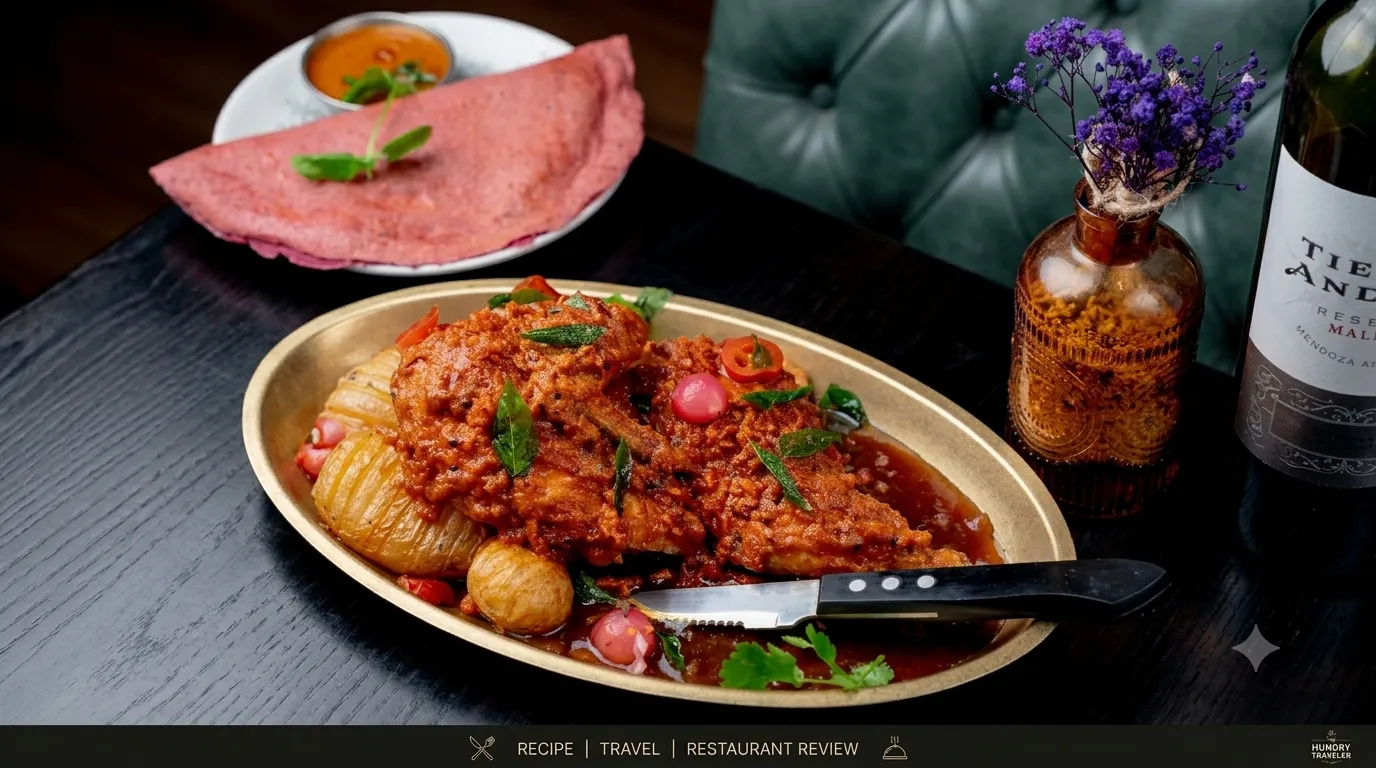
The Future of Flavor: Exploring Today’s Hottest Culinary Trends

The Future of Flavor: Exploring Today’s Hottest Culinary Trends
Food is more than just sustenance—it’s an ever-evolving canvas of creativity, culture, and innovation. As tastes shift and global palates expand, the culinary world is embracing bold new directions that reflect sustainability, technology, and a deeper connection to heritage. From plant-based revolutions to hyper-local dining, today’s hottest trends are not only redefining what we eat but also how we experience food. Whether you’re a home cook, a professional chef, or simply a food enthusiast, understanding these movements can inspire your next culinary adventure.
1. The Rise of Plant-Based and Alternative Proteins
The plant-based food movement has evolved from a niche health trend to a mainstream culinary powerhouse. Consumers are increasingly seeking sustainable, ethical, and health-conscious alternatives to traditional animal proteins, and the food industry is responding with remarkable innovation. Beyond tofu and tempeh, today’s plant-based offerings include jackfruit “pulled pork,” mushroom-based burgers with meaty textures, and algae-derived proteins packed with umami flavor. Even dairy alternatives have seen a surge, with oat, almond, and cashew milk becoming staples in cafés and home kitchens alike.
What’s driving this shift? Environmental concerns, animal welfare, and dietary preferences are key factors. Studies show that plant-based diets can significantly reduce carbon footprints and water usage compared to meat-heavy diets. Additionally, flexitarianism—where people reduce but don’t eliminate meat—has gained traction, making plant-based meals more accessible and appealing to a broader audience. Expect to see even more creative plant-based products hitting shelves, from lab-grown meats to fermented protein sources like mycoprotein, which mimics the taste and texture of chicken.
2. Fermentation: The Science of Flavor and Health
Fermentation is one of the oldest culinary techniques, yet it’s experiencing a renaissance as chefs and home cooks rediscover its power to enhance flavor, preserve food, and boost gut health. From kimchi and sauerkraut to kombucha and miso, fermented foods are celebrated for their tangy, complex flavors and probiotic benefits. The trend extends beyond traditional fermented staples, with modern applications like fermented hot sauces, pickled vegetables, and even fermented dairy alternatives gaining popularity.
The science behind fermentation is fascinating. By encouraging the growth of beneficial bacteria, fermentation breaks down sugars and starches, creating unique textures and flavors while making nutrients more bioavailable. This process also extends the shelf life of foods without artificial preservatives, aligning with the growing demand for clean-label and minimally processed products. As consumers prioritize gut health and digestive wellness, fermented foods are likely to remain a cornerstone of innovative cuisine.
3. Hyper-Local and Foraged Ingredients
In an era of global supply chains and mass production, there’s a growing appreciation for hyper-local and foraged ingredients that tell a story of place and season. Chefs and home cooks are turning to urban farming, rooftop gardens, and community-supported agriculture (CSA) to source ingredients at their peak freshness. Foraging—gathering wild edibles like mushrooms, herbs, and berries—has also seen a surge in popularity, with foragers sharing their finds on social media and incorporating them into seasonal menus.
This trend goes beyond mere novelty; it’s about sustainability and reconnecting with the land. By using ingredients that are grown or harvested nearby, cooks reduce their environmental impact while supporting local economies. Expect to see more restaurants featuring “garden-to-table” or “field-to-fork” concepts, where dishes highlight the unique flavors of a specific region or season. Even home cooks are embracing the challenge, experimenting with homegrown herbs, edible flowers, and backyard foraging.
4. The Fusion of Global Flavors
Culinary fusion is not a new concept, but today’s globalized world is taking it to new heights. Chefs are blending ingredients, techniques, and traditions from different cultures to create dishes that are both familiar and unexpected. Think Japanese-inspired tacos topped with sriracha mayo, Ethiopian spice-infused Italian pasta, or Korean-Mexican fusion dishes like bulgogi bulgur bowls. These combinations celebrate diversity and cater to adventurous eaters looking for fresh, exciting flavors.
Social media has played a significant role in popularizing global fusion cuisine. Platforms like Instagram and TikTok allow home cooks and professional chefs alike to share their creative takes on international flavors, inspiring others to experiment in their own kitchens. As travel becomes more accessible and cultures continue to intermingle, expect fusion cuisine to remain a dominant trend, with chefs pushing the boundaries of traditional boundaries.
5. Sustainable Seafood and Ocean-Friendly Dining
With overfishing and climate change threatening marine ecosystems, sustainable seafood has become a priority for conscious consumers and chefs. The trend focuses on responsibly sourced fish and shellfish, with an emphasis on species that are abundant and harvested in ways that minimize environmental impact. Certifications like MSC (Marine Stewardship Council) and ASC (Aquaculture Stewardship Council) help guide consumers toward sustainable choices.
Innovative alternatives are also gaining traction, such as plant-based seafood substitutes made from algae, konjac, or pea protein. These options aim to replicate the taste and texture of fish and shrimp while reducing pressure on ocean populations. Additionally, chefs are exploring underutilized species like sardines, mackerel, and lesser-known shellfish to promote biodiversity and reduce reliance on overharvested fish like cod and tuna.
6. The Tech-Driven Kitchen: AI, 3D Printing, and Smart Appliances
Technology is transforming the way we cook, eat, and even think about food. Artificial intelligence (AI) is being used to develop personalized meal plans, suggest recipes based on dietary preferences, and even predict flavor pairings. Smart kitchen appliances, from AI-powered ovens to robotic stir-fry machines, are making cooking more efficient and accessible. Imagine a fridge that tracks your groceries and suggests recipes based on what’s inside, or a 3D food printer that crafts intricate edible structures from plant-based ingredients.
3D food printing, in particular, is pushing the boundaries of culinary creativity. Chefs are using this technology to create visually stunning dishes with precise nutritional control, making it ideal for customizing meals for dietary restrictions or health goals. While still in its early stages, food tech holds immense potential to revolutionize the way we interact with food, from reducing food waste to enabling personalized nutrition.
7. The Return of Comfort Food with a Twist
Comfort food is making a comeback, but with a modern twist. Chefs and home cooks are reimagining classic dishes by incorporating global flavors, plant-based ingredients, and innovative techniques. Think vegan mac and cheese made with cashew-based sauces, ramen bowls with miso-infused broths, or gourmet grilled cheese sandwiches featuring artisanal bread and artisanal cheeses. This trend reflects a desire for nostalgia while embracing contemporary tastes and dietary needs.
The pandemic also played a role in revitalizing comfort food culture, as people sought solace in familiar flavors during uncertain times. Today, comfort food is no longer limited to simple, homestyle dishes; it’s about elevating traditional recipes with high-quality ingredients and creative twists. Expect to see more fusion comfort foods, where childhood favorites meet global influences, on menus and in home kitchens.
8. Zero-Waste Cooking: Reducing Food Waste at Home
Food waste is a global issue, with nearly one-third of all food produced for human consumption lost or wasted each year. In response, the zero-waste cooking movement is gaining momentum, encouraging people to use every part of an ingredient and minimize waste. This trend encompasses everything from using vegetable scraps to make broths and stocks to transforming overripe fruit into jams or smoothies. Chefs and food influencers are leading the charge by sharing tips and recipes that promote sustainability.
Zero-waste cooking isn’t just about reducing waste; it’s also about maximizing flavor and nutrition. For example, carrot tops can be blended into pesto, citrus peels can add brightness to dishes, and stale bread can be turned into croutons or breadcrumbs. As consumers become more conscious of their environmental impact, zero-waste cooking is likely to become a permanent fixture in kitchens around the world.
9. The Revival of Heirloom and Ancient Grains
While modern wheat and rice dominate global diets, there’s a growing interest in heirloom and ancient grains that offer unique flavors, textures, and nutritional benefits. Grains like quinoa, farro, amaranth, and teff are making a comeback, thanks to their high protein content, gluten-free properties, and rich histories. These grains are often more resilient to climate change and require fewer resources to grow, making them a sustainable choice for the future.
Chefs are incorporating ancient grains into everything from salads and soups to baked goods and breakfast bowls. Their nutty, earthy flavors add depth to dishes, while their nutritional profiles make them a healthier alternative to refined grains. As consumers seek out more diverse and nutrient-dense foods, heirloom and ancient grains are poised to become staples in modern cuisine.
10. The Experience Economy: Dining as Entertainment
Today’s diners aren’t just looking for a meal; they’re seeking experiences. The rise of immersive dining—where food, ambiance, and entertainment converge—is transforming the way we enjoy meals. This trend includes everything from interactive dining rooms and themed restaurants to pop-up events and culinary performances. Chefs are collaborating with artists, musicians, and even scent designers to create multi-sensory experiences that engage all the senses.
Another aspect of the experience economy is the growing popularity of food festivals, culinary tours, and farm-to-table events. These gatherings celebrate local food cultures and bring people together to share in the joy of eating. As social media continues to shape dining trends, the demand for Instagram-worthy, shareable food experiences shows no signs of slowing down.
Conclusion: A Flavorful Future Ahead
The culinary world is in a constant state of evolution, shaped by innovation, sustainability, and a deepening appreciation for global flavors and traditions. From plant-based proteins to zero-waste cooking, today’s hottest trends reflect a collective desire for food that is not only delicious but also ethical, sustainable, and experiential. Whether you’re experimenting with fermentation in your kitchen, foraging for wild edibles, or exploring fusion cuisine, there’s never been a more exciting time to be a food lover.
As we look to the future, one thing is clear: flavor will always be at the heart of culinary creativity, but the ways we source, prepare, and enjoy food are changing in remarkable ways. By embracing these trends, we can all play a part in shaping a more delicious, sustainable, and connected food culture.